Skip to content



We Are More Connected Than Ever, But Are We Closer?
We live in a time where technology is always within reach. With just a few taps, we can talk to someone across the world, watch endless content, or find answers to almost anything. It feels powerful. It feels convenient. But beneath all this convenience, there’s a quiet question many people are beginning to ask: what is it costing us?
On the surface, we are more connected than ever before. Messages are instant, video calls bring faces closer, and social media keeps us updated on people’s lives in real time. But if we look a little deeper, something doesn’t quite feel the same. The quality of our connections seems to be changing.
Think about simple moments from the past. Sitting with family, having long conversations, laughing over small things, or even just enjoying silence together. Those moments were not perfect, but they were real. They required patience, attention, and presence. Today, those same moments often look different.
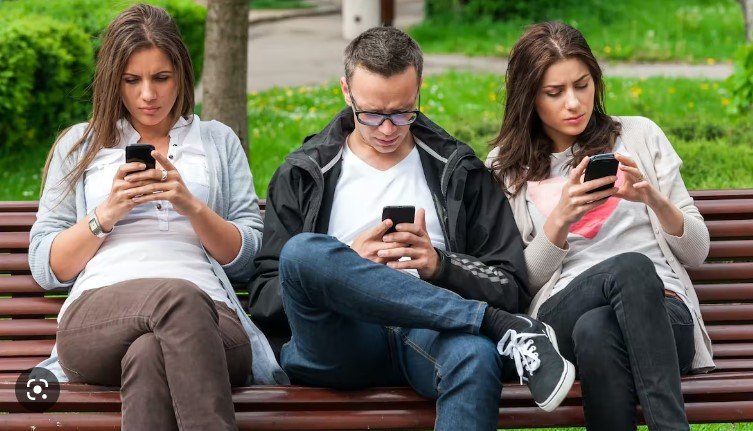
In many homes now, people sit together but are not truly together. Everyone is focused on a screen. One person is scrolling through social media, another is watching videos, someone else is chatting online. Physically, they share the same space, but mentally, they are somewhere else. Conversations are shorter. Eye contact is rare. Even when people speak, their attention is divided.
It is not that people no longer care about each other. The issue is more subtle. Technology has made distraction so easy that being fully present now requires effort. And without realizing it, we are slowly losing the habit of deep connection.
This shift is even more noticeable in children. From a very early age, many kids are introduced to smartphones, tablets, and screens. These devices are entertaining and engaging, which makes them hard to resist. Over time, children can become more comfortable interacting with screens than with people.
Instead of playing outside, building friendships, or learning social cues through real-life interaction, many children spend hours in digital environments. While technology can be educational, too much of it at an early stage can affect how they relate to others. Skills like empathy, patience, and communication are developed through human interaction, not just digital engagement.
As this pattern continues, it raises an important concern. Are we slowly creating a world where real-life relationships feel less natural than digital ones?
There is also a psychological side to all this that we often overlook. Constant exposure to digital content can affect how we think and feel. Social media, for example, can create unrealistic expectations about life, relationships, and success. People begin to compare themselves with carefully edited versions of others, which can lead to dissatisfaction or even loneliness.
Ironically, the same platforms designed to connect us can sometimes make us feel more isolated. You can have hundreds of online connections and still feel alone because those interactions lack depth. A like, a comment, or a short message cannot fully replace a genuine conversation or shared experience.
Another interesting shift is how people are beginning to relate to artificial intelligence. Many individuals now feel more comfortable expressing themselves to AI systems than to other humans. With AI, there is no judgment, no misunderstanding, and no emotional risk. It feels safe.
But this safety comes with a trade-off. Real human relationships are not always easy. They involve disagreement, vulnerability, and effort. These challenges are actually what make relationships meaningful. When we start avoiding them, we may also be avoiding growth.
AI can be helpful. It can assist, guide, and even support us in certain ways. But it cannot truly replace the depth of human connection. A machine can respond, but it cannot feel. It can simulate understanding, but it does not experience emotions the way humans do.
The danger is not that technology exists. The real issue is how we use it. When technology begins to take the place of genuine interaction rather than support it, that is when the balance starts to shift.
So, is technology really replacing real human connections?
The answer is not entirely yes, but it is also not entirely no. Technology is not forcing us apart, but it is making it easier for us to drift apart if we are not careful. It is giving us alternatives that feel easier, faster, and sometimes more comfortable than real interaction.
The good news is that we still have control. We can choose how we use technology. We can decide to put our phones down during conversations, to spend more time engaging with people around us, and to create moments that are not interrupted by screens.
Rebuilding real connection does not require something complicated. It starts with simple actions. Listening fully when someone speaks. Spending time together without distractions. Choosing presence over convenience, even when it feels harder.
Technology is a tool. It was created to enhance our lives, not replace the human experiences that give life meaning. If we can find the right balance, we can enjoy the benefits of technology without losing the essence of what makes us human.
At the end of the day, no device can replace the warmth of genuine connection. No screen can fully capture the feeling of being truly seen, heard, and understood by another person.
The question is not just whether technology is replacing human connection. The real question is this: are we willing to protect and prioritize the connections that matter most?