Skip to content




Many people are unaware of how deceptive the flesh can be. One of its greatest strategies is offering temporary relief while hiding the long-term consequences behind short moments of pleasure.
If we carefully study the patterns of the flesh, we begin to notice something important: it often promises peace, comfort, escape, or satisfaction — but only delivers them for a moment.
Take anxiety for example. A person may feel overwhelmed mentally and emotionally, then turn to alcohol hoping to feel relief. For a short while, the tension may reduce and the mind may feel lighter. But after the effect fades, the anxiety often returns — sometimes stronger than before. Alongside that, repeated indulgence can slowly damage physical health, emotional stability, and self-control.
This is one of the subtle strategies of the flesh: offering quick rewards that keep a person dependent on destructive cycles.
The same pattern appears in many other struggles. A person trapped in lust may feel temporary ease after giving in to sexual urges or masturbation. Someone involved with smoking or drugs may experience a short-lived feeling of calmness, escape, or pleasure. Yet over time, what once seemed like comfort slowly becomes bondage.
Addiction is a form of slavery.
The dangerous part is that many people do not immediately recognize it because the flesh always focuses the mind on the reward of the moment rather than the cost of the future. It whispers, “Just this once,” while quietly building habits that weaken discipline, clarity, and inner peace.
When a person lives completely under the authority of the flesh, they gradually lose mastery over themselves. They begin to act based on urges rather than wisdom, emotions rather than direction, impulses rather than purpose. In many cases, they know certain habits are harmful, yet still feel pulled toward them because the desire for temporary relief becomes stronger than the desire for lasting freedom.
But there is another way to live.
The life of the spirit often feels slower in the beginning because true growth usually requires patience, discipline, self-control, and consistency. Unlike the flesh, it does not always offer instant gratification. However, what it builds is far more stable.
A life led by the spirit builds:
- inner peace,
- self-control,
- mental clarity,
- stronger character,
- healthier relationships,
- and a more hopeful future.
The rewards may not always come immediately, but they create a strong foundation that can sustain a person through life’s difficulties.
The flesh focuses on the moment.
The spirit focuses on the future.
One offers temporary satisfaction with hidden chains.
The other offers gradual growth with lasting freedom.
Every person faces this battle in one way or another. The important thing is becoming aware of the patterns, understanding the consequences, and choosing daily what kind of life we truly want to build.
Why People Return to What Hurts Them
One of the most confusing things about the struggle with the flesh is that many people are fully aware that certain habits are damaging, yet they still return to them repeatedly.
This happens because the flesh is deeply connected to immediate emotional relief. In moments of loneliness, stress, fear, boredom, rejection, anxiety, or frustration, destructive habits often appear as quick escapes. They promise comfort without requiring healing.
Instead of solving the root problem, they temporarily distract the mind from it.
The danger of this cycle is that the person slowly becomes dependent on temporary escapes instead of true restoration. What started as occasional indulgence can gradually become attachment, then dependency, and eventually bondage.
Over time, the flesh trains people to seek immediate gratification rather than long-term growth. Patience becomes harder. Discipline feels uncomfortable. Silence feels unbearable. Many people begin to avoid stillness because stillness forces them to confront what is happening within them.
This is why distractions have become so powerful in modern life.
Constant entertainment, endless scrolling, addictive content, substances, unhealthy pleasures, and uncontrolled desires can all function as ways to keep people mentally occupied while deeper issues remain unresolved.
The flesh fears transformation because transformation requires sacrifice. It resists anything that demands discipline, accountability, healing, patience, or self-control. It prefers shortcuts, even when those shortcuts slowly destroy peace from within.
But real freedom begins when a person becomes honest with themselves.
Not every desire should be obeyed simply because it is strong.
Not every urge deserves authority.
And not everything that feels good in the moment is good for the future.
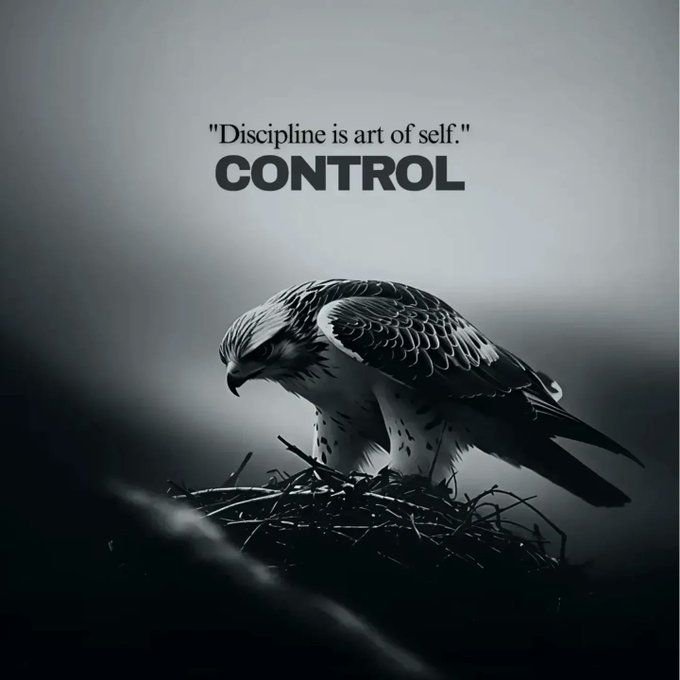
True strength is not found in feeding every impulse, but in learning mastery over oneself.
How social media amplifies the flesh
The impact of social media is sometimes so subtle that many people do not recognize how deeply it affects their minds, emotions, habits, and daily lives.
A friend once shared with me how uncomfortable and almost restless he felt when his phone became faulty for about a week. To him, it felt as though the world had suddenly gone silent and nothing meaningful was happening anymore. The experience felt strange because he had unknowingly built a strong attachment between himself and the device he constantly used every day.
When a person becomes heavily connected to their phone and social media platforms, being unable to access them can create the feeling that they are missing out on something important. This is one of the reasons many people feel uneasy in silence or become uncomfortable when disconnected from the internet for too long.
If we observe carefully, we would notice how often people repeatedly check their phones even when there is no notification, no message, and nothing particularly important waiting for them. Sometimes the action becomes so automatic that it happens unconsciously. This reveals how powerful the cycle of digital consumption has become.
The satisfaction derived from social media content is almost insatiable. A person may intend to spend only a few minutes online, perhaps to check one message or watch a single video, but end up scrolling endlessly for hours without realizing how much time has passed. One post leads to another, one video opens the door to ten more, and the cycle continues repeatedly.
Many modern digital systems are intentionally designed to hold attention for as long as possible because attention has become a valuable currency in today’s world. The longer people remain engaged, the more they continue consuming content without pause. Sadly, one of the greatest things being lost in the process is time — a resource that can never be recovered once wasted.
This is one reason many people sometimes look back at months or even years and wonder why so little meaningful progress was made in their lives. They spent so much time consuming information, entertainment, opinions, trends, and distractions that they rarely paused to build, create, learn deeply, reflect, or contribute something valuable themselves.
A small amount of focused time spent reading a meaningful book, learning a valuable skill, developing discipline, building relationships, or improving one’s mind can sometimes produce more lasting growth than years of endless scrolling and passive consumption.
What many people also fail to realize is that the content they consume daily gradually shapes their mindset, emotions, language, desires, attention span, and even personality. Human beings are heavily influenced by what they repeatedly expose themselves to over time. The jokes people laugh at, the opinions they adopt, the attitudes they display, the way they speak, and even the things they begin to normalize are often connected to the content they consume consistently.
Yet only a few people stop long enough to question the cycle.
Few ask themselves:
- Why do I feel restless without my phone?
- Why is silence becoming uncomfortable?
- Why is my attention span getting shorter?
- Am I controlling what I consume, or is it controlling me?
- Is this helping me grow, or merely keeping me distracted?
Awareness is important because many forms of bondage do not begin dramatically. Some begin quietly through repeated habits that slowly gain control over a person’s mind, time, focus, and direction in life.
Conclusion
The flesh does not always destroy a person suddenly. Most times, it works gradually through distractions, temporary pleasures, unhealthy desires, emotional escapes, and repeated habits that slowly weaken discipline, clarity, and purpose.
Many of the battles people face today are not always physical. Some are battles for attention, self-control, time, identity, and peace of mind. The dangerous thing is that these patterns can become so normal that people no longer question them.
A person may spend years feeding the flesh without realizing how much of their life, focus, and potential is quietly slipping away. Endless scrolling, unhealthy addictions, uncontrolled desires, constant distractions, and the pursuit of temporary satisfaction can slowly keep a person trapped in cycles that lead nowhere meaningful.
That is why awareness is important.
People must learn to pause and ask themselves difficult questions:
- What is controlling my mind daily?
- What habits are shaping my character?
- Am I growing or simply consuming?
- Am I becoming stronger within, or more dependent on temporary escapes?
Not everything that brings pleasure brings peace.
Not everything that entertains builds value.
And not everything that feels good leads to freedom.
The life of the spirit may require discipline, patience, and self-control, but it produces stability, clarity, wisdom, and a stronger foundation for the future.
The flesh seeks immediate gratification.
The spirit seeks transformation.
The more aware a person becomes of these tricks, the easier it becomes to break unhealthy cycles and begin building a life with greater purpose, peace, and direction.
If this message spoke to you and you would love more reflections like this on spiritual growth, self-awareness, discipline, and navigating life wisely, you can also follow my WhatsApp channel for more insights and discussions.